Health and Safety Policy for Streatham Cleaners
 This health and safety policy sets out how Streatham Cleaners protects employees, clients, visitors, and contractors while carrying out cleaning services. Our aim is to maintain a workplace where risks are identified early, controlled effectively, and reviewed regularly. We believe that a safe service depends on clear procedures, consistent training, and a shared commitment to good practice.
The policy applies to all cleaning tasks, including routine maintenance, deep cleaning, specialist surface care, and waste handling. It covers work carried out in occupied and unoccupied premises, after-hours assignments, and any situations where staff may encounter hazards such as slippery floors, chemicals, electrical equipment, or sharps. Every team member is expected to follow safe working methods and to report concerns immediately so action can be taken before an incident occurs.
We also recognise that health and safety is not only about preventing accidents. It includes protecting wellbeing, reducing fatigue, and ensuring that work is planned so it can be completed without unnecessary strain. A good cleaning safety policy supports reliable service and helps create a professional environment for everyone involved.
Streatham Cleaners will carry out risk assessments for all regular operations and review them when work practices, equipment, or environments change. These assessments help us identify potential hazards and decide on suitable control measures. Where needed, we will use signage, protective equipment, restricted access, ventilation, and task rotation to reduce exposure to risk.
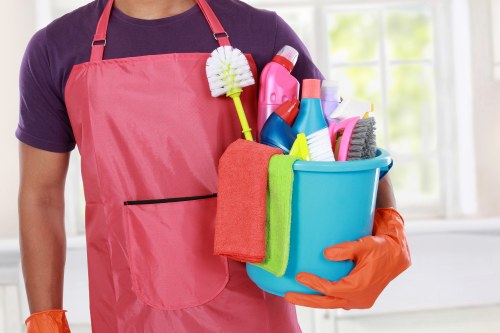
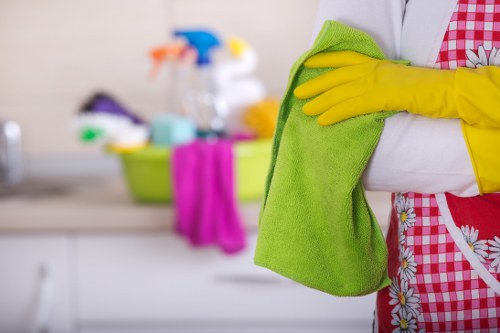
Personal protective equipment is provided where required and must be used correctly. This may include gloves, eye protection, aprons, or suitable footwear. Staff are expected to inspect equipment before use and replace damaged items promptly. We encourage a culture where people speak up if equipment is unsuitable, uncomfortable, or no longer effective.
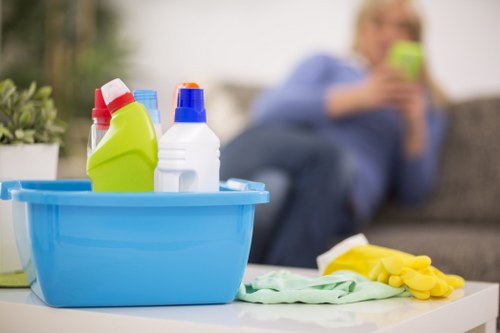
 Cleaning chemicals must be stored, labelled, and used in line with manufacturer instructions and internal procedures. Products should never be mixed unless the process is approved and understood. Safe handling includes keeping containers sealed, avoiding unnecessary exposure, and ensuring materials are stored away from food, heat, and unauthorised access. Correct dilution and application reduce waste and improve safety standards.
Training is essential to our cleaning health and safety approach. All staff receive instruction on safe working methods, hazard awareness, emergency procedures, manual handling, and the correct use of tools and machines. New starters are supervised until they demonstrate competence, and refresher training is provided when procedures change or new risks are identified.
Manual handling is one of the most common sources of injury in cleaning work, so we place strong emphasis on planning lifts, using trolleys where practical, and avoiding awkward twisting or overreaching. Tasks should be broken into manageable steps, and heavier items should be moved with assistance when needed. Staff are reminded to work at a steady pace and not to ignore early signs of discomfort.
Work areas must be kept as tidy as possible to reduce slips, trips, and falls. Cables, buckets, packaging, and equipment should be stored safely when not in use. Wet floors must be marked clearly, and access should be limited until surfaces are safe. Housekeeping discipline is a key part of our policy because many avoidable incidents are linked to poor organisation rather than complex hazards.
 In the middle of our operations, special attention is given to machine safety and energy controls. Equipment should only be used by trained staff, checked before use, and cleaned or maintained according to instructions. Faulty tools must be removed from service immediately. Where electrical cleaning equipment is used, cords and plugs must be monitored for damage and kept away from water wherever possible.
Emergency readiness is another core element of the health and safety policy for cleaners. Staff are expected to know the location of alarms, exits, first-aid materials, and isolation points relevant to the site they are working in. In the event of an accident, spill, fire, or exposure incident, the first priority is to protect people, alert the right parties, and follow the emergency procedure without delay.
Incidents, near misses, and unsafe conditions must be recorded and investigated so that lessons are learned. We do not treat reporting as blame; instead, it is a method of improving systems and preventing repeat events. Patterns in minor issues can reveal bigger risks, so we review reports carefully and make practical changes where needed.
Health is managed with the same care as physical safety. Cleaning work can involve repetitive movement, bending, and contact with substances that may irritate skin or breathing. We therefore support sensible work planning, suitable rest breaks, hydration, and prompt attention to symptoms that may indicate strain or exposure. Staff are encouraged to raise any medical concern that could affect safe performance so adjustments can be considered.
Where work is carried out in shared or occupied environments, communication with clients and other site users is important. This includes agreeing access arrangements, clarifying restricted areas, and making sure that cleaning activities do not interfere with the safe movement of others. A professional cleaning safety policy must work alongside the needs of the premises without creating confusion or risk.
 Waste management must also be handled carefully. Waste should be segregated where required, placed into appropriate containers, and removed in a way that avoids contamination or injury. Sharps, broken glass, and hazardous waste demand particular caution and must never be handled casually. Staff should use tools rather than hands whenever a safer method is available.
Management has overall responsibility for making sure this policy is implemented, understood, and reviewed. Supervisors are expected to monitor compliance, provide guidance, and correct unsafe practice quickly. Employees share responsibility by following instructions, using equipment properly, and participating in training and assessments. Together, these actions help ensure a consistent standard of workplace safety.
Regular reviews of procedures, equipment, and incidents allow us to improve performance over time. Updates may be made when legislation changes, new materials are introduced, or operational needs evolve. We aim to keep the policy practical, clear, and suitable for the real conditions faced by our team each day.
 Streatham Cleaners is committed to providing a safe, well-managed service built on prevention, awareness, and responsibility. By maintaining strong procedures, encouraging reporting, and supporting staff with training and proper equipment, we create safer conditions for every cleaning task. This policy is a working framework for continuous improvement and reliable care.