Streatham Hill upholstery cleaning for period houses: a practical guide for protecting character homes
Period houses in Streatham Hill have a charm that modern properties often try to copy and rarely quite manage. High ceilings, original cornices, bay windows, deep skirtings, and older soft furnishings all create a home that feels full of personality. But they also make cleaning a little more delicate. If you are looking into Streatham Hill upholstery cleaning for period houses, you are probably trying to solve a familiar problem: how do you remove everyday dirt, dust, and stains without damaging fabrics that may already be old, fragile, or expensive to replace?
That is the right question to ask. Period upholstery often needs a gentler, more informed approach than standard synthetic furniture. The wrong method can leave water marks, shrinkage, colour bleed, or that horrible slightly damp smell that seems to linger in older rooms. This guide walks through what matters, how professional upholstery cleaning works, and what to expect if you want your sofas, chairs, ottomans, and window seats to look cared for rather than overworked.
Why Streatham Hill upholstery cleaning for period houses matters
Period homes often contain upholstery that has a story behind it. Maybe it is a second-hand Victorian armchair that has already survived decades of family life. Maybe it is a modern sofa chosen to complement original features. Or maybe it is built-in seating in a bay window, where dust, pollen, and daily life quietly settle into the fabric. In all of these cases, the upholstery is doing more than providing comfort. It is part of the look and feel of the house.
Cleaning matters because older properties tend to collect grime in less obvious ways. Decorative mouldings, sash windows, thick curtains, and timber floors can all create little pockets where dust hangs around. Add the reality of London living - moisture, traffic pollution, pets, school bags, busy family routines - and upholstery can become dulled faster than you might expect. You do not always notice it day to day. Then one morning, in the pale light from a north-facing room, the sofa looks a bit tired and the arms feel flat. That is usually the moment people decide it is time.
There is also a preservation angle. Many period fabrics are not built to be aggressively scrubbed. Even if the upholstery itself is newer, the piece may have antique detailing, delicate trims, horsehair stuffing, or traditional upholstery underneath. A cautious, knowledgeable clean helps protect those elements. Truth be told, with older furniture, prevention is usually cheaper than repair.
If your wider home needs attention too, it is often sensible to combine upholstery care with a deeper whole-home clean or a broader domestic cleaning service, especially when dust has built up across several rooms. That can make the result feel much more complete.
How Streatham Hill upholstery cleaning for period houses works
The best upholstery cleaning process starts with inspection, not with a machine. That may sound obvious, but you would be surprised how often the detail gets skipped. A cleaner needs to identify the fabric type, dye stability, wear points, and any existing damage before choosing a method. A velvet chaise, a linen sofa, and a synthetic dining chair all need different handling. No two period homes are quite the same either, which is part of the appeal and part of the challenge.
In practice, the process usually looks like this:
- Assessment and fibre check: The cleaner looks at fabric labels if available, tests a hidden area, and checks for weak seams, fading, or loose buttons.
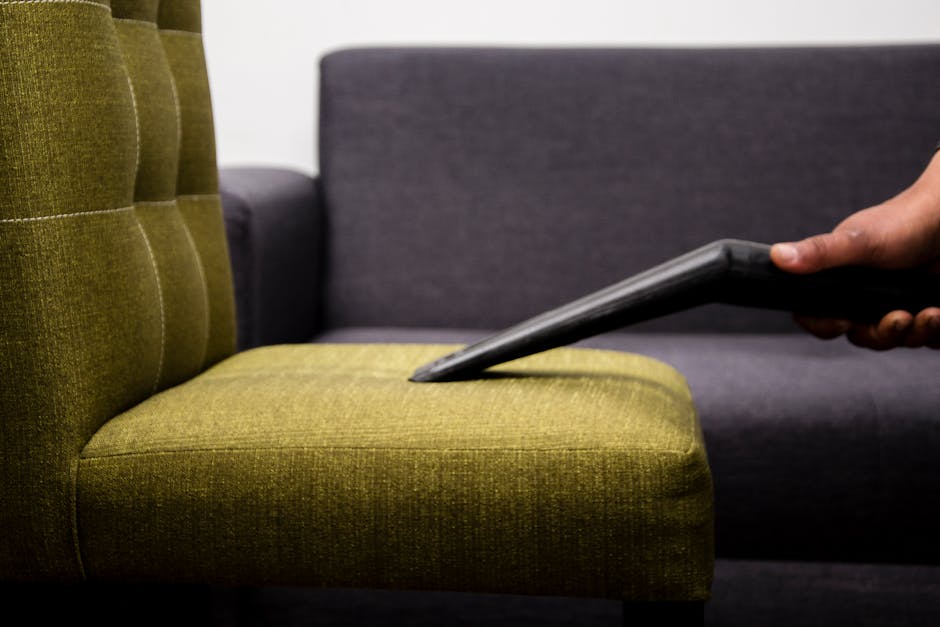
- Dry soil removal: Loose dust and grit are lifted first. This matters more than many people think because tiny particles can act like sandpaper during wet cleaning.
- Pre-treatment: Stains, traffic marks, and greasy armrests may be treated with a suitable solution before the main clean.
- Chosen cleaning method: Depending on the fabric, this may be low-moisture cleaning, hot water extraction, or a careful hand-cleaning approach.
- Detail work: Edges, piping, creases, and seat fronts are cleaned with more control, because that is where dirt shows first.
- Drying and grooming: The upholstery is left to dry properly, then fibres are brushed or reset so the finish looks even.
Older houses often have less consistent ventilation than newer builds, especially if original windows are kept closed for insulation or security. So drying time matters. A professional will usually plan around airflow, room temperature, and fabric sensitivity rather than just racing to finish. If you have ever had a chair that felt clean but smelled faintly damp for two days, you will know why that matters. Not fun, frankly.
For larger pieces like a lounge suite or a heavily used family sofa, it may make sense to book alongside specialist sofa cleaning or a broader upholstery cleaning service, depending on what needs attention and how much of the furniture is affected.
Key benefits and practical advantages
Good upholstery cleaning is not just about making furniture look nice for a week. In a period house, it can make the whole room feel lighter, fresher, and more balanced. The benefits are quite practical, really.
- Better fabric appearance: Dust dulls colour and makes fibres look flattened. A careful clean restores depth and texture.
- Reduced odours: Upholstery absorbs cooking smells, pet scent, smoke residue, and general household odour over time.
- Less dust circulation: Soft furnishings trap particles. Removing build-up can help the room feel cleaner overall.
- Longer furniture life: Dirt wears fabric down. Regular care reduces friction and premature ageing.
- Improved comfort: Fresh upholstery simply feels nicer to sit on. That counts for a lot when your living room is the main family space.
- Better room presentation: In period homes, furniture and architecture work together. Clean upholstery helps original features stand out instead of competing with grime.
There is also a psychological benefit that people often underestimate. A room with clean seating tends to feel more settled, even if nothing else has changed. A faded sofa can make the whole room seem tired. Fresh upholstery does the opposite. It gives the space a bit of breathing room.
If your home is due a wider refresh, services such as house cleaning or one-off cleaning can work well alongside upholstery care, particularly before guests, seasonal changes, or family events. It is one of those jobs where a little planning goes a long way.
Who this is for and when it makes sense
This service is ideal for owners and tenants of period houses in Streatham Hill who want to protect the character of their home without taking avoidable risks with older furnishings. You might benefit from professional upholstery cleaning if any of the following sounds familiar:
- your sofa or armchairs are original, antique, or inherited pieces
- the furniture is high-value, sentimental, or difficult to replace
- you live in a home with pets, children, or heavy daily use
- you have noticed dust, grey marks, or traffic lines on light-coloured fabric
- there are stains from drinks, food, makeup, or general wear
- the upholstery smells stale, musty, or slightly damp
- you are preparing the house for sale, guests, or a special event
- you want to refresh a room without replacing perfectly good furniture
Period houses also create a few special scenarios. A front room that hardly gets used can still collect dust from open fireplaces, sash windows, or old timber frames. A family room, by contrast, may take a beating from daily life and need more frequent care. Then there is the classic bay-window seat: lovely to sit on, difficult to keep pristine. There is always one awkward piece, isn't there?
In some cases, the upholstery may be better suited to a gentler household approach than full wet cleaning. For example, delicate decorative fabric may need spot treatment or low-moisture methods. That is why the initial assessment matters so much.
Step-by-step guidance
If you are trying to decide how to handle upholstery in a period property, here is a sensible way to think it through.
- Identify the furniture type. Is it modern upholstery in an old house, or older furniture with traditional materials? The answer changes the approach.
- Check for labels and visible wear. Look at seams, piping, buttons, and any faded patches near windows or radiators.
- Do a quick risk check. Is the fabric delicate? Has it ever bled colour? Has it been cleaned before without issues?
- Remove loose debris. Vacuum carefully, including creases and under cushions where dust likes to hide.
- Treat stains individually. Do not apply one product to the entire piece just because it smells nice. That is how small mistakes become larger ones.
- Choose the right method. Low-moisture or hand-finishing may suit fragile fabric better than heavier saturation.
- Allow controlled drying. Open windows if weather and security allow, use airflow, and avoid sitting on the furniture too soon.
- Inspect the result in daylight. Artificial light can hide patchiness. Natural light tells the truth quickly.
A simple example: if an upholstered wing chair sits near a front bay window, you may find one arm has faded slightly more than the other. Cleaning can improve the overall look, but it should not try to force the piece back to a colour it no longer is. The aim is freshness, not magic. That would be nice, but no.
If you are already planning other maintenance, pairing upholstery work with window cleaning can make a surprising difference in period homes. More light exposes the furniture properly, and the room often feels cleaner overall. Small things, big effect.
Expert tips for better results
These are the small decisions that often separate a decent result from a really good one.
- Test before committing: Even if a fabric looks robust, hidden testing is worth the time.
- Work from the least dirty area to the most dirty area: That reduces the chance of spreading soil.
- Pay attention to arms and headrests: These are the first places to darken because people naturally touch them most.
- Watch for shrinkage risk: Older or natural fabrics can react badly to excess moisture, especially if they have not been cleaned recently.
- Mind the room environment: A cold, closed room slows drying and can leave a faint smell that nobody asked for.
- Use gentle grooming after drying: It helps the pile stand evenly and makes the furniture look cared for rather than scrubbed.
In our experience, one of the best things you can do is prepare the room before the cleaner arrives. Move lamps, clear magazines, and remove cushions that are not attached. It sounds minor, but it saves time and helps the work be more precise. Less faff all round.
It is also smart to ask practical questions up front. What method will be used? How long should drying take? Are there any fabrics that should be avoided? Good providers will answer clearly and without jargon. If they cannot explain the process simply, that is a small warning sign.
Common mistakes to avoid
Period houses are forgiving in some ways and unforgiving in others. Upholstery is often where the mistakes show first.
- Using too much water: Over-wetting can leave tide marks, distort shape, and delay drying.
- Scrubbing stains aggressively: That can push the stain deeper or roughen the fabric surface.
- Ignoring fabric composition: What works on synthetic cloth may ruin a natural fibre or vintage textile.
- Cleaning only the visible stain: Spot cleaning a patch in isolation can leave obvious rings.
- Skipping ventilation: A room that stays shut after cleaning can trap moisture and smell stale.
- Forgetting the underside: Dust and debris under cushions often migrate back into the cleaned surface later.
- Assuming all older upholstery is too fragile to clean: Not true. Many pieces can be cleaned safely if assessed properly.
One of the most common missteps is trying to save time by treating an entire sofa as if it were one uniform fabric. It rarely is. Different panels, cushions, and decorative details may respond differently. That is why slow, careful work usually wins. A bit boring perhaps, but effective.
If the rest of the home has been neglected too, you may want to consider a broader service such as deep cleaning rather than trying to tackle everything in one frantic weekend. Sometimes the sensible choice is the less dramatic one.
Tools, resources and recommendations
You do not need a workshop full of equipment to look after upholstery well, but the right tools matter.
| Tool or resource | What it helps with | Why it matters in period houses |
|---|---|---|
| Vacuum with upholstery attachment | Loose dust, crumbs, pet hair | Protects fabrics from surface grit before any wet cleaning |
| Soft brush | Gentle pile lifting and dust removal | Useful on older woven or textured fabrics |
| White cloths or microfibre cloths | Spot testing and blotting | Helps you monitor transfer without adding dye from coloured cloths |
| Controlled drying setup | Airflow and moisture management | Period rooms can be cooler and slower to dry |
| Professional upholstery assessment | Choosing the safest method | Especially valuable for antique or delicate furniture |
For busy households, the biggest recommendation is simple: do not wait until the fabric looks visibly grimy. Light maintenance is easier than rescue work. That is especially true in older homes where dust builds in layers and hides in seams. If you are managing the whole property, a reliable cleaning company can help you coordinate services sensibly instead of dealing with each room in isolation.
And if the job is being handled alongside a move or a refurbishment, services like after builders cleaning can be relevant too. Construction dust gets everywhere. Absolutely everywhere. It has a talent for that.
Law, compliance, standards and best practice
For upholstery cleaning in a home, there is usually no complicated legal framework to worry about in the way you might for food businesses or medical spaces. Still, sensible best practice matters. A professional provider should work carefully, use suitable products, and follow good health and safety habits around slips, electrical equipment, and ventilation.
In the UK, consumers generally expect services to be delivered with reasonable care and skill. That means the cleaner should not guess at a method, ignore a fabric warning, or leave a room in a state that creates avoidable risk. Insurance is another important point. If a piece is valuable or particularly delicate, you want to know that the provider has appropriate cover and a proper approach to safety. You should be able to ask about that without feeling awkward. You are not being difficult. You are being sensible.
It also helps to look for plain-language policies that show the business thinks carefully about service standards, not just sales. If you want reassurance around service processes, you can review pages like insurance and safety, health and safety policy, and terms and conditions before booking. For payment concerns, payment and security is also useful reading.
Best practice for the customer is straightforward: disclose known stains, past cleaning attempts, fabric issues, pet damage, or any repairs. The more the cleaner knows, the safer the job usually is. Surprises are rarely helpful here.
Options, methods and comparison table
Not every piece of upholstery should be cleaned in the same way. The right method depends on fabric, age, condition, and how sensitive the piece is to moisture.
| Method | Best for | Strengths | Watch-outs |
|---|---|---|---|
| Vacuum and maintenance clean | Routine upkeep, light dust, low-risk fabric | Safe, simple, quick | Won't remove deep stains or embedded soil |
| Low-moisture cleaning | Delicate or older upholstery | Reduced drying time, lower saturation | May not suit every stain type |
| Hot water extraction | Many modern upholstery fabrics, heavier soiling | Deep soil removal, strong refresh | Needs careful control on period furniture |
| Hand cleaning and targeted treatment | Antique pieces, trims, patchy wear | Maximum control, detail-friendly | Slower and more labour-intensive |
To be fair, there is no universal winner. A sturdy modern sofa in a Victorian terrace may take extraction well, while a cherished old armchair with soft stuffing may need a gentler touch. The best method is the one that respects the item in front of you, not the one that sounds most impressive on paper.
Case study or real-world example
Here is a realistic example from the kind of job period homes often present. A Streatham Hill family had a front reception room with two upholstered armchairs and a three-seater sofa. The room was elegant but lived-in: original woodwork, a rug near the fireplace, books stacked by the window, and the usual faint build-up of everyday dust. The chairs looked fine at first glance, but in daylight the armrests had darkened, the seat fronts looked a little flat, and there was a mild stale smell from occasional use.
After an initial fabric check, the cleaner used a cautious method with pre-treatment on the arms and a gentler clean on the more delicate chair fabric. The process was unhurried. No rushing around, no over-wetting, no unnecessary drama. Once dry, the room felt noticeably fresher and the furniture looked better matched to the house again. Not brand new, obviously, but cared for. And that is often the goal in a period property: not perfection, just a proper, respectful refresh.
The owners later said the biggest difference was not only visual. The room smelled cleaner, felt less dusty, and was much nicer to sit in on a rainy evening. That kind of result is hard to put in a brochure, but easy to appreciate at home. You sit down, and the room simply feels better.
Practical checklist
Use this checklist before arranging Streatham Hill upholstery cleaning for period houses:
- Identify each upholstered item and note its age, fabric, and condition.
- Look for labels, old repairs, fading, loose buttons, or weak stitching.
- Decide whether you need one item cleaned or several rooms refreshed together.
- Tell the cleaner about stains, pets, smoke, or previous cleaning products.
- Ask how the fabric will be tested before cleaning begins.
- Make sure the room can be ventilated afterwards.
- Remove cushions, ornaments, and fragile items from around the furniture.
- Confirm drying expectations before sitting on the furniture again.
- Check whether the service provider explains safety, insurance, and payment clearly.
- Plan your clean so it fits with the rest of the house, not just the sofa.
A quick checklist like this saves time and avoids awkward surprises. It also helps you get a more accurate quote, which everyone appreciates.
Get a free quote today and see how much you can save.
Conclusion
Period houses deserve upholstery care that respects their character. In Streatham Hill, that often means looking beyond a quick surface clean and choosing a method that suits the fabric, the age of the furniture, and the way the home is lived in. When upholstery is handled properly, the room feels brighter, fresher, and more in step with the rest of the house. That is the real win.
If you remember only one thing, let it be this: older and more delicate upholstery needs judgement, not guesswork. Ask questions, check the method, and think about the long-term condition of the piece rather than the fastest possible result. A little care now can preserve comfort and character for years. And in a home with real history, that matters more than people sometimes realise.
For trusted service information and booking details, you may also wish to review about us and contact us if you are ready to move forward.
Good upholstery does not just fill a room. It helps the room feel like home.
Frequently Asked Questions
Is upholstery cleaning safe for period house furniture?
Usually, yes, as long as the fabric is assessed properly first. Period furniture can be more delicate than newer pieces, so the cleaner should check the material, test in a hidden area, and choose a method that avoids over-wetting or harsh agitation.
How often should upholstery be cleaned in a period home?
There is no one-size-fits-all answer. Busy family rooms, homes with pets, and lightly coloured fabrics may need attention more often than rarely used front rooms. A light maintenance clean and periodic deeper clean usually works better than waiting until the fabric looks obviously tired.
What makes period-house upholstery different from modern upholstery?
Older upholstery may include more delicate fabrics, traditional stuffing, antique frames, or decorative details that react badly to excess moisture or strong chemicals. Even modern cushions in a period house can need more care because the furniture is often chosen to suit a more characterful setting.
Can stains be removed from old upholstery?
Sometimes, yes, but not always completely. The age of the stain, the fabric type, and any previous cleaning attempts all affect the outcome. A good cleaner will be honest about what can realistically be improved rather than promising a perfect result.
Will upholstery cleaning shrink the fabric?
It can if the wrong method is used, especially on delicate natural fibres or older pieces. That is why testing, moisture control, and fabric knowledge matter. Properly handled cleaning should reduce that risk significantly.
How long does upholstery take to dry?
Drying time depends on the method, fabric, room temperature, and ventilation. Lighter low-moisture methods dry faster, while wetter processes need more time. In older houses with cooler rooms, drying can take longer than people expect, so planning is useful.
Should I clean the whole room or just the sofa?
If the room is generally dusty or the furniture is part of a wider refresh, cleaning more than one item often gives a better result. For example, pairing upholstery care with house cleaning can make the whole space feel more coherent.
What should I do before the cleaner arrives?
Remove clutter, move breakables, and make sure there is access to the furniture. It also helps to mention any stains, pets, or old repairs in advance. That makes the process smoother and avoids guesswork on the day.
Is professional cleaning better than doing it myself?
For delicate or valuable period furniture, often yes. DIY methods can work for very light maintenance, but they are riskier if you are dealing with old fabrics, heavy staining, or upholstery with sentimental value. Professional cleaning is usually the safer option when in doubt.
Can upholstery cleaning help with odours?
Yes, often it can. Upholstery absorbs everyday smells from pets, food, smoke, and general household use. Cleaning can refresh the fabric and make the room smell noticeably cleaner, though severe odours may need a more targeted approach.
How do I choose a provider for Streatham Hill upholstery cleaning for period houses?
Look for clear explanations, careful assessment, sensible insurance, and a method suited to delicate furnishings. If they can explain how they handle older fabrics without sounding vague or pushy, that is a good sign. Trust your instincts too; they matter here.
Can upholstery cleaning be combined with other services?
Yes. Many homeowners prefer to combine it with services such as carpet cleaning, rug cleaning, or window cleaning so the whole room feels refreshed at once. It can be more efficient and often gives a better overall result.