Streatham Common deep cleaning for homes and flats
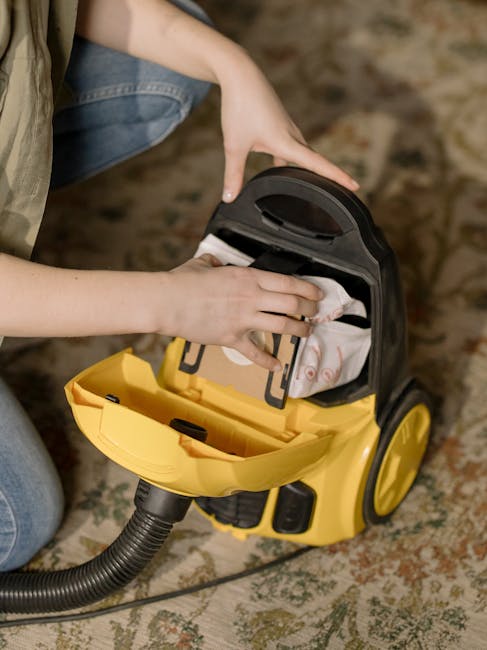
If your home or flat in Streatham Common has started to feel a bit tired, sticky, or simply harder to keep on top of, you are not alone. Life leaves a mark: hallway dust, kitchen grease, bathroom limescale, pet hair tucked into corners, the odd mysterious stain on a sofa. Streatham Common deep cleaning for homes and flats is the reset many households need when weekly tidying no longer feels enough.
This guide explains what a proper deep clean includes, how it works in real homes and flats, when it makes the most sense, and how to choose the right approach without overpaying or under-preparing. You will also find a checklist, a comparison table, practical mistakes to avoid, and a few small realities that often get missed. To be fair, that is usually where the difference lies.
Why Streatham Common deep cleaning for homes and flats Matters
Deep cleaning is not just a heavier version of regular cleaning. It is a more detailed, more deliberate service that targets the grime people tend to live with for months without quite noticing it. In a busy household, especially in flats where space is tighter and storage is limited, small amounts of mess build up fast. Dust settles behind radiators. Grease creeps across splashbacks. Bathroom residue builds in grout lines. Window frames collect city dust and road film. Before long, things look clean at a glance but not properly clean.
That is why a proper deep clean matters. It helps restore the parts of a home that normal weekly cleaning often misses. It can make rooms feel lighter, smell fresher, and genuinely easier to maintain afterwards. If you have ever walked into a room after a long-overdue deep clean and thought, oh, so this is what it was meant to feel like, you will know the difference immediately.
In Streatham Common, many homes and flats mix older features with modern use: original wood floors, compact bathrooms, high-traffic kitchens, shared entrances, and the everyday wear that comes from commuting, family life, pets, or working from home. That combination makes periodic deep cleaning especially useful. It is not about perfection. It is about getting the property back to a healthy, manageable baseline.
If you are comparing service types, it helps to understand where deep cleaning sits alongside more routine help. For ongoing support, many people choose domestic cleaning or regular home cleaners, while others book a more focused one-off cleaning visit when life has got away from them. Deep cleaning sits at the more detailed end of that spectrum.
How Streatham Common deep cleaning for homes and flats Works
A deep clean usually starts with a walkthrough or a clear scope of work. That part matters more than people expect. A good cleaner will look at the condition of each room, note problem areas, and decide where to spend more time. A one-bedroom flat with a compact kitchen and heavy cooking use may need a different approach from a family house with multiple bathrooms and carpeted stairs. Same area, very different job.
From there, the work is typically broken into zones: kitchen, bathrooms, living areas, bedrooms, hallways, and any special surfaces like hard flooring, upholstery, ovens, or windows. The job tends to be done from top to bottom, dry to wet, and clean to dirty. That sequence saves time and stops dust or debris from falling onto freshly cleaned surfaces. Sensible, really. But it is surprising how often rushed jobs skip that logic.
For a fuller treatment, a deep cleaning visit may involve moving small items, cleaning behind accessible furniture, disinfecting high-touch points, tackling limescale, descaling taps, wiping skirting boards, polishing fixtures, and using the right product for each surface. Delicate materials need the right touch, and the wrong chemical can do more harm than dirt ever did. That is why experienced teams often pair deep cleaning with specialist services such as carpet cleaning, upholstery cleaning, or oven cleaning when the home needs a proper reset.
In practical terms, the work may include:
- removing built-up dust from skirting boards, coving, and edges
- degreasing kitchen surfaces, cupboard fronts, and extractor areas
- scrubbing sinks, taps, tiles, and grout
- cleaning under and around movable furniture
- wiping switches, handles, banisters, and other touchpoints
- vacuuming and mopping floors with suitable products
- spot-treating stains on soft furnishings where appropriate
- cleaning internal windows, frames, and sills
The best deep cleans are methodical. Not dramatic. Not rushed. Just properly thorough. That is the sweet spot.
Key Benefits and Practical Advantages
A good deep clean does more than make things look presentable for a day or two. The main benefit is a home that feels easier to live in. You notice it when you walk through the door: fewer smells lingering in fabrics, less sticky residue in the kitchen, less dust floating in the afternoon light, and less of that nagging sense that the place is somehow still not quite sorted.
Here are the benefits that matter most in real life:
- Better hygiene: Deep cleaning removes more than surface-level dust and crumbs. It reaches the hidden bits that can build up bacteria-friendly grime.
- Improved appearance: A room can look fine at first glance, but deep cleaning restores the detail work that makes a space look properly cared for.
- Less ongoing effort: Once the worst buildup is gone, standard upkeep becomes faster and less frustrating.
- Better for flats: Compact spaces show dirt quickly, so a detailed clean can make a small home feel surprisingly spacious again.
- Helpful before or after changeovers: Moving in, moving out, hosting guests, or recovering after renovations all call for a stronger clean than usual.
There is also a mental side to it. A clean home is easier to relax in. That sounds a little obvious, but if you have ever tried to unwind while looking at dusty blinds and a stubborn hob ring, you know it is not really obvious at all. A proper clean removes low-level stress. Not all of it. But enough.
For families, landlords, renters, and busy professionals, it can also protect surfaces from long-term wear. Grease left too long on cupboard doors gets harder to shift. Limescale left unchecked can mark taps and shower screens. Dust in corners eventually spreads everywhere else. Deep cleaning helps stop that slow creep.
Who This Is For and When It Makes Sense
Streatham Common deep cleaning for homes and flats is a good fit for several situations, and not just the obvious ones. Yes, it makes sense after a long gap between cleans. But it is also useful when life has changed in a small but disruptive way. A new baby. A houseguest staying longer than planned. A kitchen that gets heavy use. A flat that feels dusty because the windows are mostly shut in winter. You get the idea.
It is especially relevant for:
- busy households that need a proper reset
- tenants preparing for the end of a tenancy
- new residents wanting a fresh start in a moved-into property
- landlords getting a flat ready between occupants
- families dealing with pet hair, spills, or high traffic
- anyone who has fallen behind on housekeeping and wants a fresh baseline
It also makes sense after works have left dust behind. If a property has had redecoration or repairs, a deeper post-work clean can be a sensible next step, often alongside after builders cleaning. Builders' dust has a habit of appearing in places you would swear were sealed shut. Annoying stuff.
If your space is mostly under control but just needs a targeted refresh, you might not need a full deep clean. A lighter one-off cleaning visit could be enough. The trick is matching the service to the condition of the property, not to the fear level on the day.
Step-by-Step Guidance
If you want to know what a sensible deep cleaning process looks like, here is the straightforward version. This is the kind of structure that helps avoid missed corners and wasted effort.
- Clear the space first. Put away clothes, dishes, loose paperwork, toys, and anything that blocks access to surfaces. The cleaner can work faster when the room is not full of obstacles.
- Group problem areas. If there are stains, limescale patches, greasy doors, or a grimy oven, point them out early. It saves time and helps the cleaner prioritise.
- Start high and work down. Dust from shelves, light fittings, curtain poles, and the tops of cabinets should come before floors.
- Focus on the kitchen. This is usually the heaviest-use area. Cupboards, splashbacks, appliance fronts, sinks, and cooking zones often need the most attention.
- Move through bathrooms carefully. Limescale, soap scum, and moisture residue need dedicated cleaning and, where suitable, descaling products.
- Deal with soft furnishings and floors. Carpets, rugs, sofas, and upholstery hold onto dust and smells. If needed, combine the visit with rug cleaning or sofa cleaning.
- Finish with a detail check. Inspect corners, switches, skirting, handles, and visible edges. These small areas often reveal whether a clean was merely good or genuinely thorough.
A real-world example: in a compact Streatham Common flat, the kitchen might take longer than the living room even if the living room looks messier. Why? Because grease and steam settle into tiny surfaces, and there is less room to work. In practice, the most boring-looking room is sometimes the one that takes the longest. Life likes to do that.
Expert Tips for Better Results
If you want the best outcome from a deep clean, a little preparation goes a long way. You do not need to deep clean before the deep clean. That would be a bit silly. But you do want to make access easy and point out any problem areas.
Here are the most useful tips:
- Be clear about priorities. If the bathroom matters most, say so. If you want the oven, skirting, and window frames done first, mention that.
- Remove fragile items. Keep ornaments, paperwork, and anything breakable safely out of the way.
- Do not hide stains. It is better for the cleaner to know exactly what they are dealing with.
- Think in zones. A full property may not need every area treated equally. Kitchens and bathrooms usually need the deepest work.
- Use follow-up habits. After a deep clean, spend a few minutes each week on edges, taps, and high-touch points. That keeps the result going longer.
One slightly underrated tip: check ventilation. In flats especially, cleaning products and moisture can hang around if windows are closed tight. A bit of airflow helps surfaces dry properly and keeps the place from feeling heavy or chemical-laden. Nothing fancy. Just practical.
If you are planning to keep the home in better shape after the visit, combining deep cleaning with periodic window cleaning and hard floor cleaning can make the difference between "clean enough" and "actually lovely to live in".
Common Mistakes to Avoid
A lot of deep cleaning disappointments come from expectation mismatch rather than bad work. The job was not scoped properly, or the property was too cluttered, or someone assumed one visit would fix several months of heavy buildup. Sometimes it can. Sometimes, honestly, it cannot.
Common mistakes include:
- Confusing deep cleaning with decluttering. A cleaner can work around clutter, but the job is more effective if things are put away first.
- Choosing the wrong service level. A standard clean will not tackle heavy grease, limescale, or built-up grime in the same way.
- Ignoring special materials. Delicate stone, treated wood, and some soft fabrics need the right products and technique.
- Forgetting about hidden areas. Behind appliances, under beds, and along skirting boards are classic trouble spots.
- Expecting miracle results on damaged surfaces. Staining, wear, and ageing are not the same as dirt.
And yes, the oven. The oven is often where expectations become emotional. People stare at it like it has personally betrayed them. If that sounds familiar, a dedicated oven cleaner service can be a very sensible add-on.
Another mistake is skipping the aftercare. If you let everything slide again immediately, the benefits fade quickly. The whole point is to create breathing room, not just a temporary shine.
Tools, Resources and Recommendations
The best tools are usually the boring, dependable ones. Microfibre cloths, non-abrasive sponges, suitable degreasers, limescale remover where safe to use, a strong vacuum with attachments, mop heads that are clean and changed regularly, and a few separate cloths for kitchen and bathroom use. Simple kit, used properly, beats a drawer full of random sprays every time.
For a professional clean, a good team will normally bring equipment matched to the task. That may include specialist attachments for edges and corners, extraction tools for carpets, or fabric-safe products for upholstery. If you need a broader clean, it can help to combine services rather than piecing them together awkwardly. For example:
- carpet cleaning for traffic lanes and stained areas
- carpets cleaner support for general fibre refreshes
- a cleaner for targeted help with a particularly busy household
- cleaners for larger or more time-sensitive properties
If you are comparing providers, do not just ask what is included. Ask how they handle access, fragile items, stairs, parking, and any extra services. A good provider will be clear about pricing and scope, which is why it is sensible to review pricing and quotes early rather than guessing from a rough conversation.
For trust and peace of mind, it is also worth reading about insurance and safety and the company's health and safety policy. Not glamorous reading, granted. But useful. Very useful.
Law, Compliance, Standards and Best Practice
For domestic cleaning, most readers mainly want reassurance rather than a legal lecture. Fair enough. Still, a professional service should work in line with sensible UK expectations around safety, product handling, waste disposal, and respectful conduct in someone's home. That means using suitable chemicals, protecting surfaces, and avoiding unnecessary risk to occupants, pets, and the property itself.
Good practice usually includes:
- using products in accordance with manufacturer guidance
- keeping work areas safe and not leaving wet floors unattended
- being careful with electrical items, sockets, and appliances
- treating delicate surfaces cautiously
- respecting privacy and property boundaries in flats and shared buildings
- disposing of waste responsibly where relevant
Insurance also matters. If a company is entering your home or flat, you reasonably want to know that they take liability and safety seriously. That does not mean problems are expected. It means a professional business plans for the unexpected. Likewise, if sustainability is important to you, you may want to look at a company's recycling and sustainability approach, especially if the job produces packaging waste or involves replacing heavily soiled consumables.
There is also the matter of terms and customer expectations. Before booking, it is sensible to review the terms and conditions and understand what the service does and does not cover. That keeps everything calm and straightforward. Which, let's face it, is how cleaning should feel.
Options, Methods and Comparison Table
Different properties need different levels of cleaning support. Here is a practical comparison to help you decide what is most appropriate.
| Service type | Best for | Typical focus | When to choose it |
|---|---|---|---|
| Regular domestic cleaning | Weekly or fortnightly upkeep | Basic cleaning, dusting, tidying, routine surfaces | When the property is already in manageable condition |
| One-off cleaning | Short-term refresh | Targeted cleaning of visible dirt and everyday buildup | When you need a noticeable reset without a full intensive clean |
| Deep cleaning | Detailed whole-property restoration | Grime, limescale, grease, edges, hidden areas, high-touch surfaces | When the property has built-up dirt or has not been thoroughly cleaned for some time |
| End of tenancy cleaning | Move-out or move-in checks | Deposit-focused clean across all rooms, fixtures, and fittings | When leaving a rental or preparing a property for the next occupant |
| Specialist add-ons | Problem areas | Ovens, carpets, rugs, sofas, upholstery, windows, floors | When certain items need more than general cleaning |
In many real homes, the smartest choice is a combination. A deep clean plus carpet care. Or a move-out clean with oven cleaning. Or a domestic clean that becomes a one-off reset after several months of neglect. No drama. Just the right tools for the job.
Case Study or Real-World Example
Here is a realistic example from the kind of property people often describe in Streatham Common. A two-bedroom flat, occupied by a couple working long hours, with a small dog, laminate flooring in the hallway, a fairly busy kitchen, and a bathroom that had started to show limescale around the taps and shower screen. Nothing catastrophic. Just the slow build-up that happens when nobody has the time to stay ahead of it.
The couple had been doing their best with weekly tidying, but the place still felt dusty and heavy. The living room sofa held onto pet hair. The oven door had a baked-on film. The windows looked slightly grey in daylight. After the deep clean, the flat did not become a showroom. That would be silly. But it did feel breathable again. The kitchen looked brighter, the bathroom lost that chalky, worn look, and the place was easier to maintain the following week.
That is really the point. A deep clean should not just impress for five minutes. It should give you a better starting point for ordinary life. If you are moving out, that can be crucial. If you are staying put, it can make the home feel like itself again. Small shift, big relief.
Practical Checklist
Use this checklist before a Streatham Common deep cleaning visit for homes and flats:
- Put away loose items, clothing, toys, and dishes
- Clear access to sinks, counters, floors, and windows
- Identify stains, limescale, grease, or damaged areas
- Remove fragile or valuable items from surfaces
- Check whether any pets need to be kept in a safe space
- Confirm which rooms and extras are included
- Decide whether you want add-on services such as carpets, oven, or upholstery
- Review pricing, timing, and any access instructions in advance
- Open a window if you want fresher airflow afterwards
- Plan a simple maintenance routine for the week after
Expert summary: the best deep cleaning results come from a clear scope, good access, the right products, and a realistic idea of what needs to change first. Do those four things well and the whole job becomes smoother, cleaner, and far more satisfying.
Conclusion
Streatham Common deep cleaning for homes and flats is the practical way to reset a property that has accumulated everyday dirt, hidden grime, and a bit of life along the edges. It is useful for busy households, move-related cleans, post-renovation dust, and anyone who wants their home to feel easier to live in again.
The main thing to remember is this: the best deep clean is not the flashiest one. It is the one that fits the property, targets the right problem areas, and leaves you with a cleaner space that feels genuinely calmer. That calm matters more than people admit. A home should help you exhale, not silently demand another hour of scrubbing.
Get a free quote today and see how much you can save.
And if you are still weighing up the right provider, take a little time to learn more about the company itself via about us, and if needed, use the contact us page to ask the questions that matter most to you. That small bit of clarity can make the whole process feel much lighter.
Frequently Asked Questions
What is included in a deep clean for a home or flat?
A deep clean usually includes detailed cleaning of kitchens, bathrooms, floors, skirting boards, surfaces, fixtures, fittings, and other areas that routine cleaning may miss. Depending on the job, it can also include internal windows, ovens, carpets, upholstery, or other add-ons.
How is deep cleaning different from regular domestic cleaning?
Regular domestic cleaning focuses on keeping a property tidy and sanitary on an ongoing basis. Deep cleaning goes further by removing built-up grime, dust, grease, and limescale from hidden or hard-to-reach areas.
Do flats need a different approach from houses?
Sometimes, yes. Flats often have tighter layouts, more compact bathrooms and kitchens, shared access, and less storage, which can affect access and cleaning priorities. Houses may have more rooms and more scope for buildup, so the work can be broader.
How often should a flat in Streatham Common be deep cleaned?
That depends on how the property is used. Some homes benefit from a deep clean a few times a year, while others only need it before a move, after decorating, or when things have fallen behind. There is no single perfect schedule.
Can deep cleaning help with pet hair and smells?
Yes, especially when it includes upholstery, carpets, rugs, and soft furnishings. Pet hair and odours tend to settle in fabrics and corners, so a detailed clean can make a noticeable difference.
Should I book carpet cleaning at the same time?
If the carpets are looking dull, marked, or holding dust, it often makes sense to combine deep cleaning with carpet cleaning. Doing both together can give the property a more complete reset.
What should I do before the cleaner arrives?
Clear clutter, put away valuables, and make it easy to access the rooms and surfaces that need attention. The cleaner can do much more with a clear path, and the job usually goes faster too.
Is deep cleaning suitable before moving out of a rental?
Yes. It can be very useful before an end of tenancy handover, especially if the property needs a more detailed finish than standard cleaning. In many cases, people combine it with end of tenancy cleaning.
How long does a deep clean usually take?
The time depends on the size and condition of the property, how cluttered it is, and whether extra services are included. A compact flat may be quicker than a house with multiple rooms and heavy buildup, but there is no fixed rule.
Will deep cleaning remove every stain?
Not always. Deep cleaning can remove a lot of dirt and many common stains, but some marks are permanent or related to wear, not surface grime. A reputable cleaner should be honest about that.
Do I need to be home during the cleaning?
That depends on your comfort, access arrangements, and the provider's process. Some people prefer to stay home, while others arrange access and return afterwards. The important thing is to agree that in advance.
What if I need help with the oven, sofa, or windows too?
Those are common add-ons. Depending on what needs attention, you may want oven cleaning, sofa cleaning, upholstery cleaning, or window cleaning alongside the main deep clean.
How do I know if a cleaning company is trustworthy?
Look for clear communication, sensible scope, insurance information, transparent pricing, and straightforward policies. Pages such as insurance and safety and terms and conditions can help you judge whether the company is organised and professional.
Is deep cleaning worth it for a small flat?
Very often, yes. Small flats show dust and clutter quickly, and a detailed clean can make the whole place feel more open, fresh, and easier to maintain. In a compact home, the effect can be surprisingly noticeable.